
The Untold Story of Women on the Mother Road
Many thanks to the Preserve Route 66 Grant Fund of the National Trust for Historic Preservation and the Historic Route 66 Association of Arizona for their funding support for these free lesson plans. Additional thanks to Cinefemme, the National Park Service’s Route 66 Corridor Preservation Program and the Road Ahead Partnership.
-

Route 66 in California
Grades 3-5.
For many, California is seen as the end of Route 66, and much of West Coast migration history involves people heading west in search of the “California Dream.” While many did realize their dreams in the Golden State, the highway also reflects some of the more complicated aspects of American history, including segregation and exclusion. Each city and town along the highway contributes to its unique history and touches on themes that can help students understand the immense changes to American life during the 20th Century. This lesson allows students to explore the inspiring and challenging stories that make Route 66 in California a great starting point for studying American history. This lesson is broken down into six 15-30 minute activities.
-

Route 66 in Missouri
Grades 3-5.
Route 66 travels directly through Missouri, stretching from St. Louis, across the Ozark Mountains, and through the prairies to the Oklahoma border. Springfield, Missouri, holds a special place in the story of Route 66 as the city where the highway was officially named. Today, its identity as the “Birthplace of Route 66” is still visible along its main streets. Each community along the highway offers its own distinct contribution to the road’s rich history. Exploring Route 66 provides an engaging lens through which students can examine the profound social, economic, and cultural changes that shaped American life throughout the 20th century. This lesson is divided into six 15-30 minute activities which can be completed in isolation or combined with the complete lesson plan.
-

Documentary Filmmaking in the Classroom
Grades 6-12.
This comprehensive lesson plan will immerse students in the world of documentary filmmaking, guiding them through each step of the process to effectively weave together local and national histories. Students will embark on a journey that begins with brainstorming ideas and conducting in-depth research to uncover the hidden stories within their own communities. They will learn to appreciate the power of film as a medium for preserving and sharing stories, and they will be empowered to become active participants in documenting and interpreting the world around them.
-
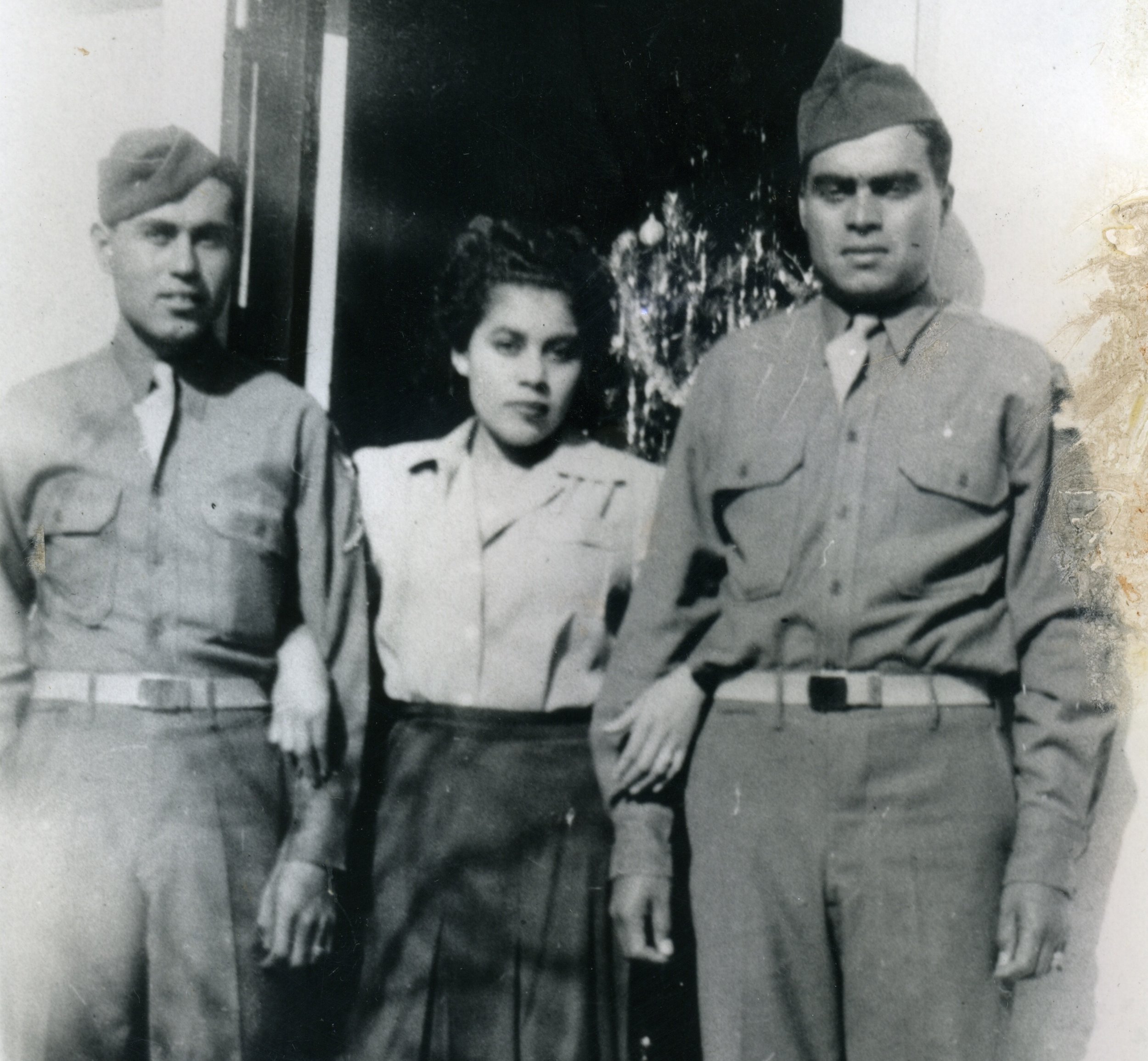
Route 66 in Arizona
Grades 9-10. Lesson available in English and Spanish.
Route 66 traverses Arizona and its history connects deeply to the state's history. Nearly every ethnic group that lived in Arizona was affected by the highway, which brought tourism, new businesses, migrants, and many other people seeking adventure or opportunity. In this lesson, students will learn about the history of the famous highway in Arizona through texts, primary sources, and interviews with people who lived, worked, and traveled on Route 66. The lesson also includes two assessment options: an academic essay and an oral history assignment to dive deeper into the diverse histories of Route 66 in Arizona. Grades 9-10.
-

Early Days on the Mother Road
Grades 9-10, Lesson and Films Available in English & Spanish
Using the first episode of the documentary, along with primary and secondary sources, students will learn about the early history of Route 66 with a particular emphasis on the women who migrated to and set up businesses in the cities and towns along the historic highway. The lesson also includes two assessment options; a creative project and a creative writing assignment.
-

Route 66 & Japanese American Incarceration
Grades 9-12, Lesson Available in English
During World War Two, Route 66 transported soldiers, weapons, and supplies, but it was also used to forcibly transport civilians away from their homes in the Western states. In 1943, the United States began a policy of forced evacuation and incarceration of Japanese Americans. In this lesson plan, students will examine primary sources, listen to oral histories, and watch short films. There are also two assessment options with rubrics; an art project and an academic writing assignment.
-

The Legacy of Segregation on Route 66
Grades 8-10, Lesson and Films Available in English & Spanish
Through oral histories and primary source readings, students will explore how people were affected by racism and segregation along Route 66. This lesson includes an overview of the history, video clips from the documentary, primary sources, a research activity, and suggestions for extension activities to dive deeper into the history.
-

World War II & Post-War Era on Route 66
Grades 9-12, Lesson and Films Available in English & Spanish
In this lesson plan, students will learn about the history of Route 66 during World War II and the post-war era through oral histories, primary source analysis, and place-based activities. The lesson also includes two research-based assessments; one for analytical writing and the other for creative writing.
-

Route 66: Women on the Move
Grades 7-12, Lesson and Films Available in English & Spanish
In this lesson, students will use video clips from the documentary, primary sources, and secondary sources to explore the histories of women who were impacted by the advent of Route 66 and the automobile. The lesson also includes two assessment options: a creative writing assignment and a pop-up museum.
-

Indigenous Histories Along Route 66
Grades 9-12, Lesson Available in English. Film Segments Available in English & Navajo
In this lesson, students will use video clips from the documentary, primary sources, and secondary sources to explore indigenous histories on Route 66. The lesson also includes two assessment options: a journalism assignment and a creative business project. Two of the video clips are also available translated into Navajo.
-

Rebirth of Route 66
Grades 8-10, Lesson and Films Available in English & Spanish
Using the third episode of the three-part documentary series, Route 66: The Untold Story of the Mother Road, students will learn the history of the decline of Route 66 in the 1960s and 70s and its rebirth as a historic road and international travel destination in the 21st Century. Through oral histories, primary source analysis, and place-based activities, students will consider how communities in the West evolved.
-

Harvey Girls: Opportunity Bound
Grades 6-7, Lesson and Films Available in English & Spanish
The Harvey Girls were one of the first all-female workforces in the United States during a time when women themselves were considered property. From the 1880s until the 1970s, Harvey Girls worked in restaurants along the AT&SF railroad and proved that women could support themselves and lead independent lives.
-

Atomic Legacy on Route 66
Grades 9-12, Lesson and films available in English, one film segment available in Navajo.
Many people have heard of atomic bomb and nuclear energy development, but fewer people know about the communities that lived on or near the nuclear test sites, nuclear technology facilities, and the mines where uranium was extracted. These communities are often in the Southwest, and many were on or near Route 66. This lesson plan focuses on the personal stories of the people affected by the development of nuclear technology in those communities.
-

Girl Scout Badge Activities
Two sets of activities that have everything Girl Scouts need to complete the Digital Movie Maker Badge and the Screenwriter Badge through the lens of Route 66 History.